
News
AI Needs More Power Than the Grid Can Deliver. Supersonic Tech Can Fix That.
By: Blake Scholl, Founder & CEO, Boom Supersonic
It started, as many things do these days, by scrolling on X.
I was reading post after post about the power crisis hitting AI data centers—GPU racks sitting idle, waiting not on chips, but on electricity. I texted with Sam Altman—who confirmed power was indeed a major constraint. I pinged our engineering team—and found that they already had the outline of a plan to build a power turbine based on our Symphony supersonic engine.
After a few conversations, it became clear: AI didn’t just need more turbines—it needed a new and fundamentally better turbine. Symphony was the perfect new engine to accelerate AI in America. About three months later, we had a signed deal for 1.21 gigawatts and had started manufacturing the first turbine.
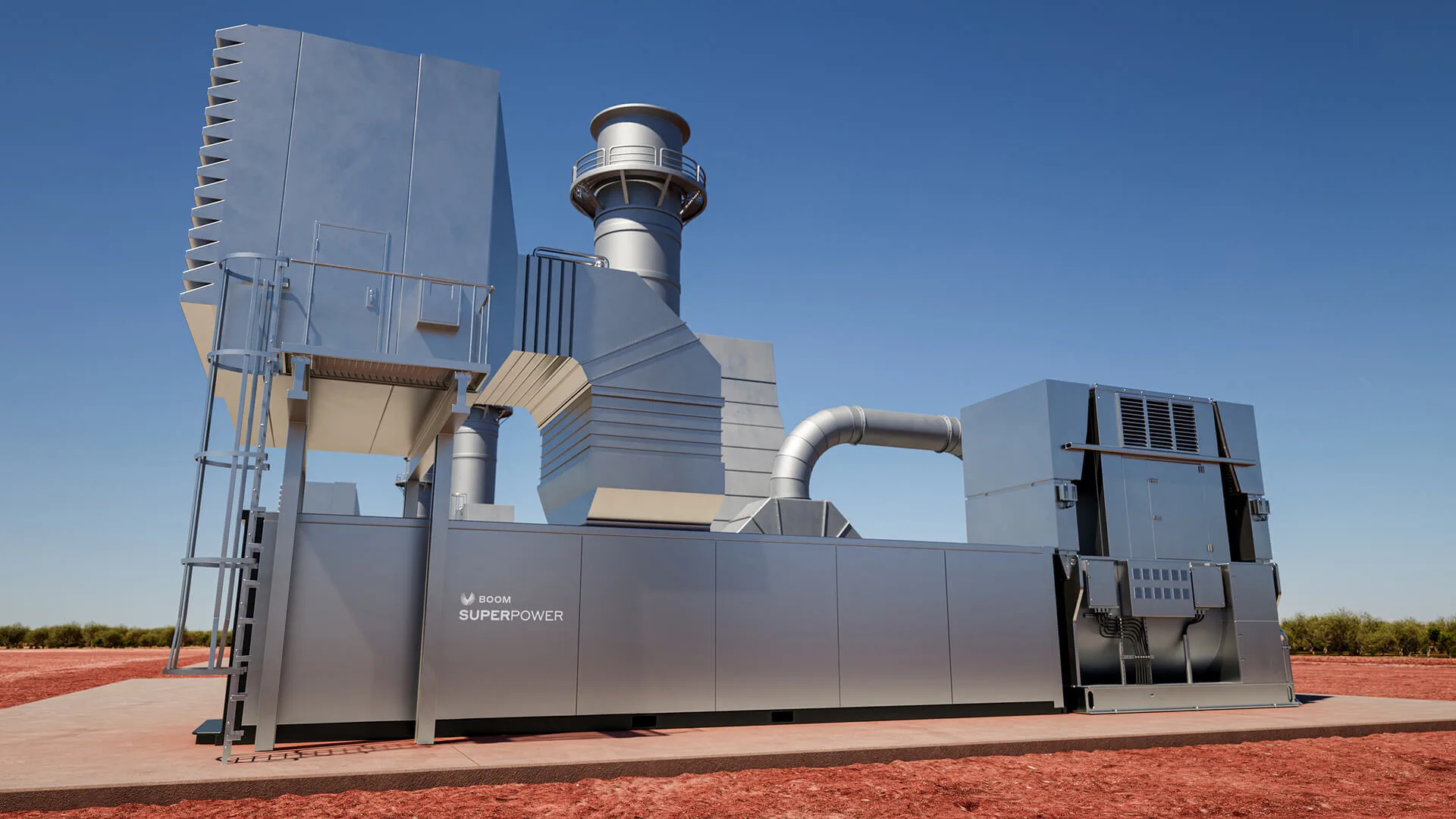
Today, we’re announcing Superpower, our new 42‑megawatt natural gas turbine, along with a $300M funding round and Crusoe as our launch customer. And most importantly: this marks a turning point. Boom is now on a self-funded path to both Superpower and the Overture supersonic airliner.
I want to share the real story of how this happened—and why supersonic technology is exactly what America’s energy crisis demands.
America Doesn’t Have 10–15 Years to Solve Its Power Problem the Old Way
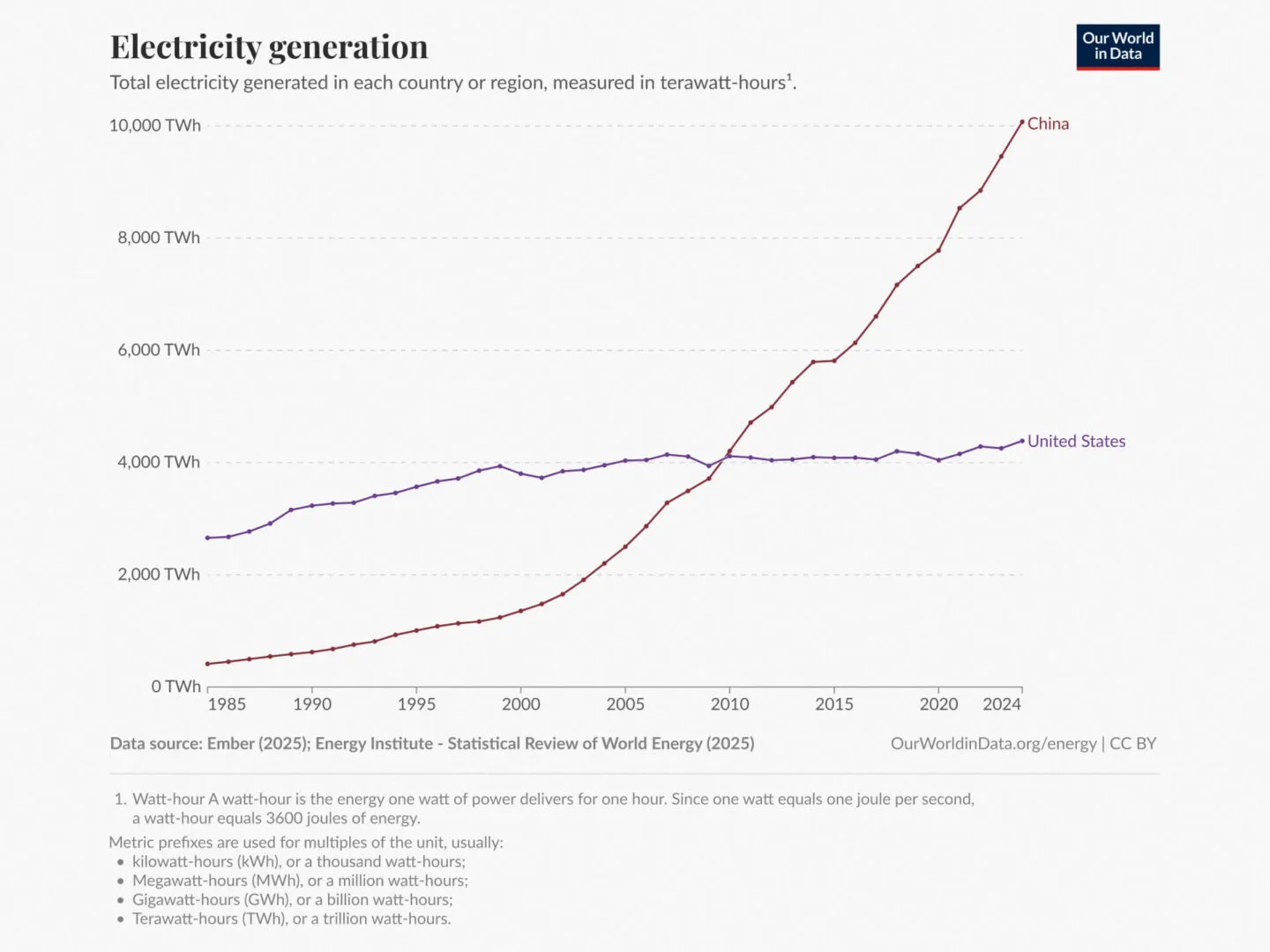
If you’ve been paying attention, you know the U.S. is in a genuine energy crunch. GPU racks are idling because they can’t get power. Data centers are fighting over substations and interconnection queues. Meanwhile China is adding power capacity at a wartime pace—coal, gas, nuclear, everything—while America struggles to get a single transmission line permitted.
AI won’t wait for us to fix the grid. And the United States simply doesn’t have 10–15 years to build out power infrastructure the old way.
Hyperscalers have already moved to their own Plan B: behind‑the‑meter power plants. You’ve seen XAI’s Colossus I and II in Memphis. OpenAI’s Stargate I in Abilene. These projects are powered by arrays of aeroderivative natural-gas turbines—which are, fundamentally, modified jet engines from the 1970s. There’s something brilliant in this approach: the transition from gigantic “frame” turbines to arrays of mid-size “aeroderivative” turbines mirrors the computing industry’s shift from mainframes to blade servers.
The problem? The “blade servers” of the energy world are old tech and they’re sold out. Because the most popular “aeroderivative” turbines are based on subsonic jet engines, they’re happiest when the outside air temperature is -50°F—like it is when going Mach 0.8 at 30,000 feet. As outside temperatures rise, there is no option but to throttle back the engines—or else the turbine blades literally melt down. These turbines begin losing power at about 50°F and by the time it’s 110°—as often happens in popular data center locations like Texas—30% of generation capacity is lost. Nonetheless, major manufacturers all have backlogs through the rest of the decade and none is building a new-generation advanced-technology turbine.
A Supersonic Engine Core Makes the Perfect Power Turbine
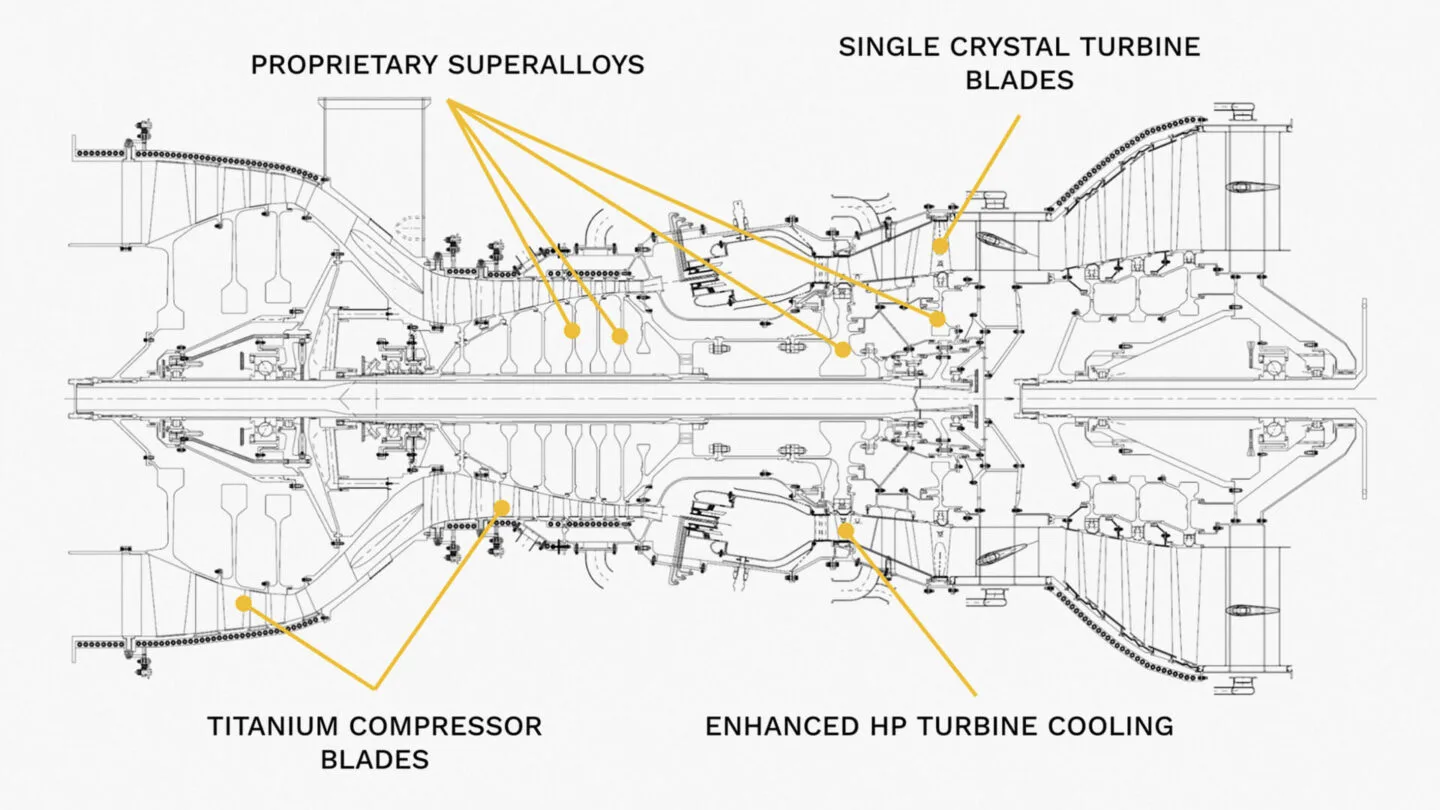
When we designed the Symphony engine for Overture, we built something no one else has built this century: a brand-new large engine core optimized for continuous, high‑temperature operation.
A subsonic engine is built for short bursts of power at takeoff. A supersonic engine is built to run hard, continuously, at extreme thermal loads. Symphony was designed for Mach 1.7 at 60,000 feet, where effective temperatures reach 160°F—not the frigid -50°F conditions where legacy subsonic engines operate.
This gives Superpower several critical advantages:
- Full power even with high ambient heat – Where legacy turbines lose 20–30% at 110°F, Superpower maintains its full 42MW output without derate.
- Waterless operation – Legacy turbines need huge quantities of water for cooling to avoid thermal derate in hot environments. Superpower doesn’t. It stays at full output, water‑free.
- Cloud‑native control and monitoring. Superpower inherits the telemetry and operations stack we built for XB‑1. Every turbine streams real‑time performance data, supports remote control, and flags anomalies before customers ever notice.
Superpower and Symphony are based on virtually identical turbine engines. Both share the identical core (HPC and HPT) and a slightly tuned low spool. In the place of Symphony’s hollow-core titanium fan, Superpower adds two additional compressor stages plus a three-stage free power turbine connected to a high-efficiency generator on its own shaft. Additionally, the engines use slightly different fuel nozzles, Symphony’s optimized for Jet A vs. Superpower’s for natural gas.
Scaling Production the Supersonic Way: Vertical Integration
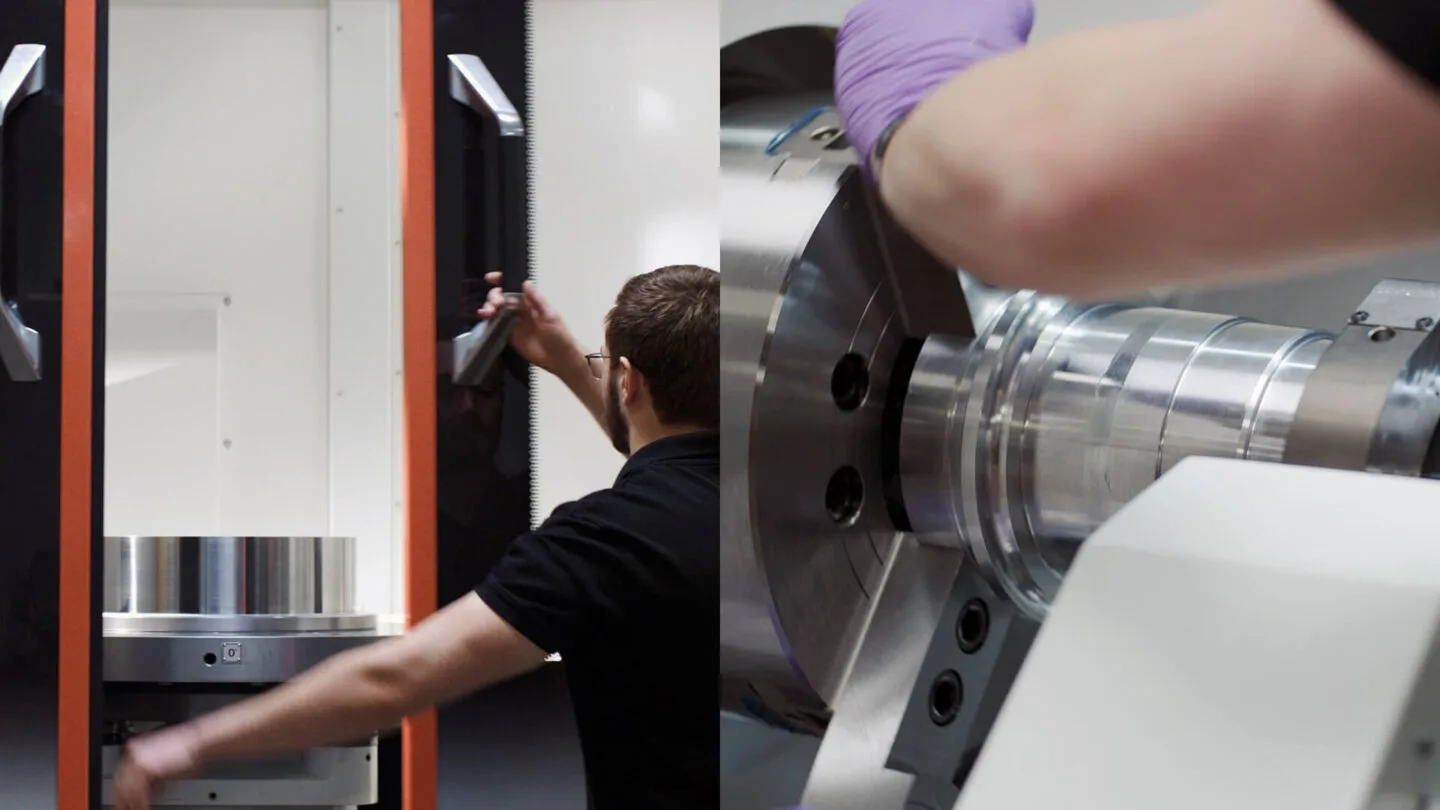
The legacy aerospace supply chain is congested. When the mission is urgent and the supply chain congested, you build the supply chain. The new Superpower Superfactory starts with a simple vision: raw materials in one side of the building, gigawatts of completed power turbine packages out the other side. We’ve already started making the first parts—and much of the production equipment to support 2GW/yr is on order. With this new financing we’re ready to accelerate further.
If America wants to build at the speed AI requires, vertical integration isn’t optional. We’re standing up our own foundry and our own large scale CNC machining capability. We’ll have more to share on the Superpower Superfactory in early 2026.
Scaling Production the Supersonic Way: Vertical Integration
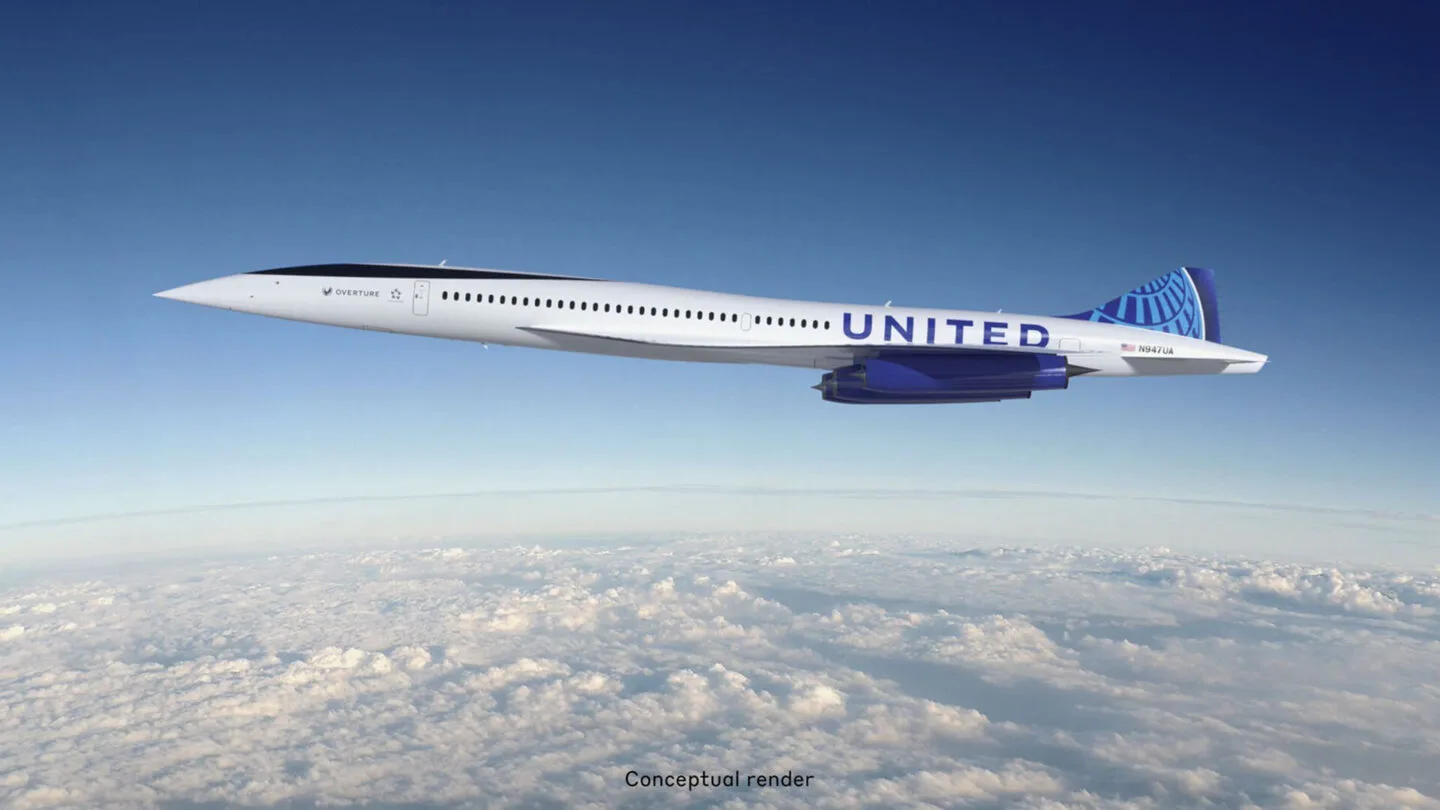
Superpower is sort of like our Starlink moment, the strongest accelerant we’ve ever had toward our core mission of making Earth dramatically more accessible.
The fastest way to a certified, passenger-carrying Symphony engine is to run its core for hundreds of thousands of hours in the real world, powering Earth’s most demanding AI data centers. Every hour a Superpower turbine spins is an hour of validation for Symphony. Every gigawatt we deliver strengthens our vertical integration and manufacturing capability. And with Superpower profitability funding the remainder of the aircraft program, we’ve done something rare in aerospace: created a self-sustaining path to a new airliner.
Superpower also reminds me of what Boom is at our core: a team willing to take on what others say is impossible, to do with a small team what big companies might not even attempt.
Featured Videos & Podcasts
Watch and listen to the latest from Boom.
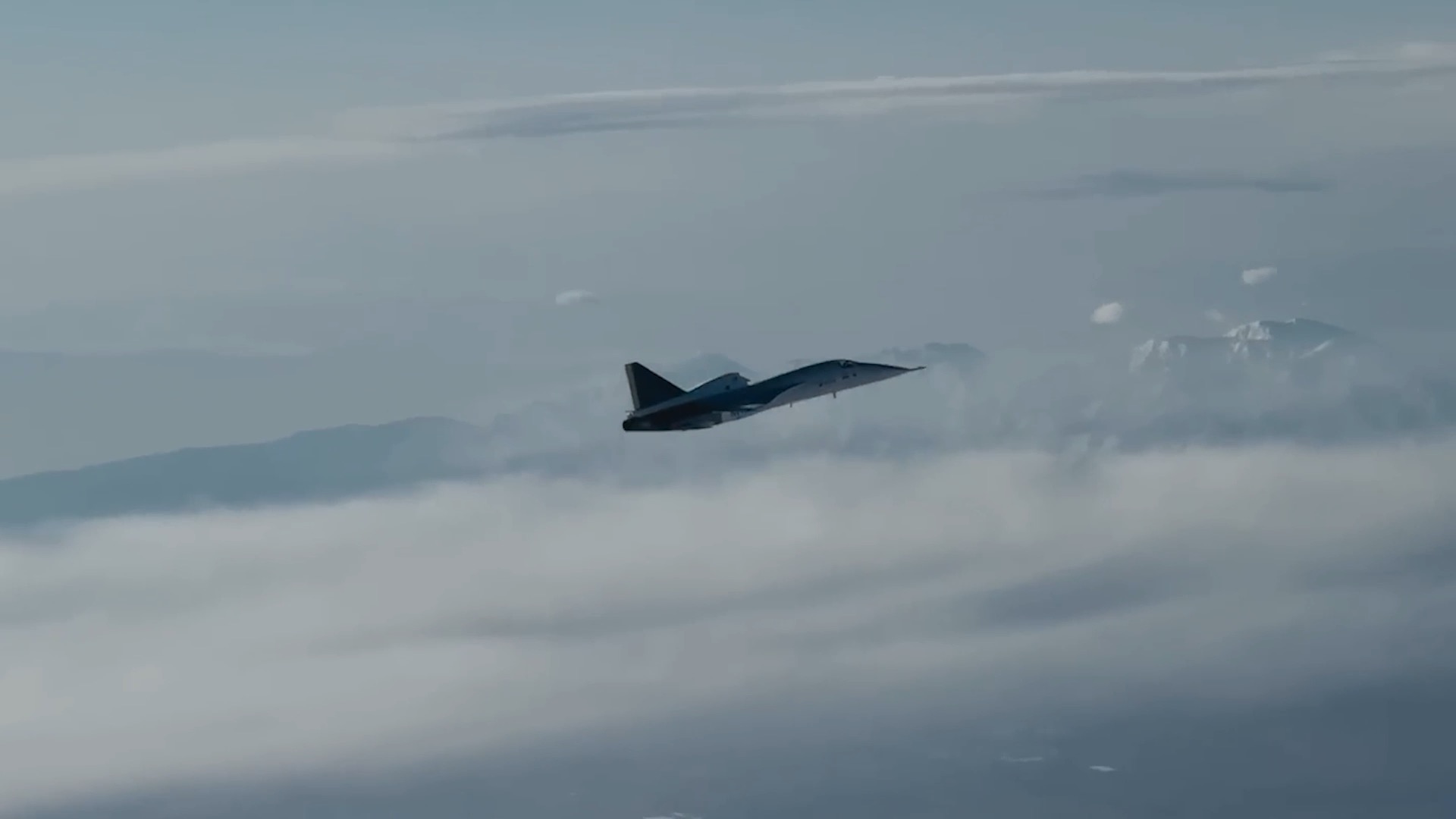
XB-1 Supersonic Flight
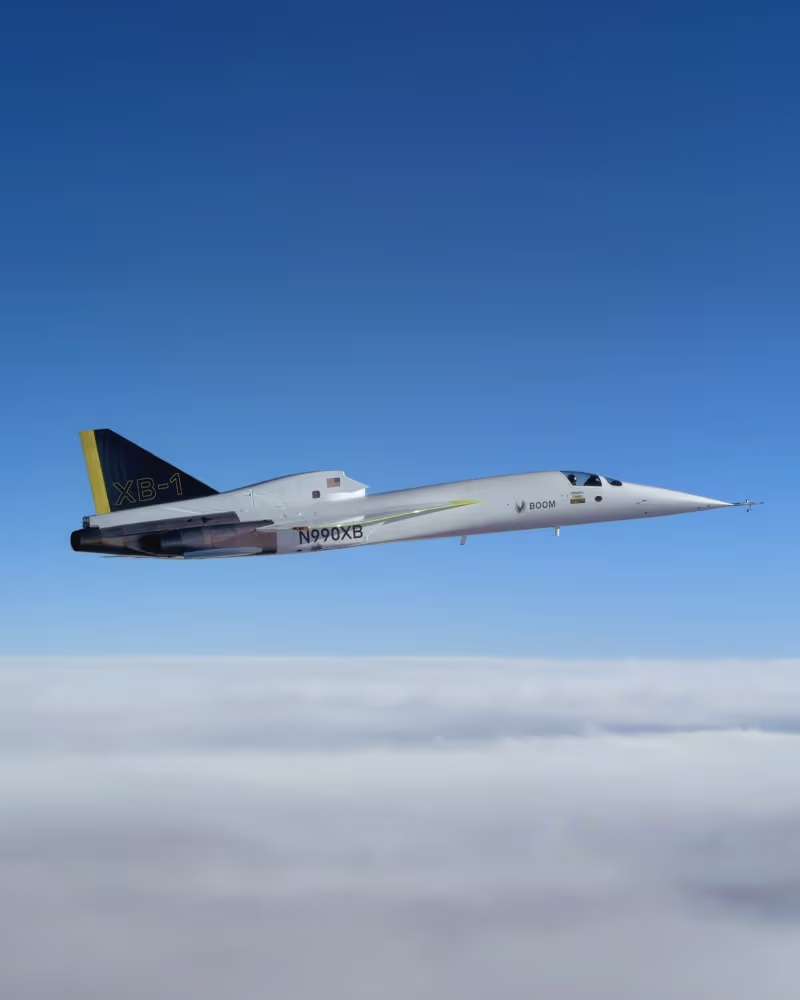
First Supersonic Flight
