
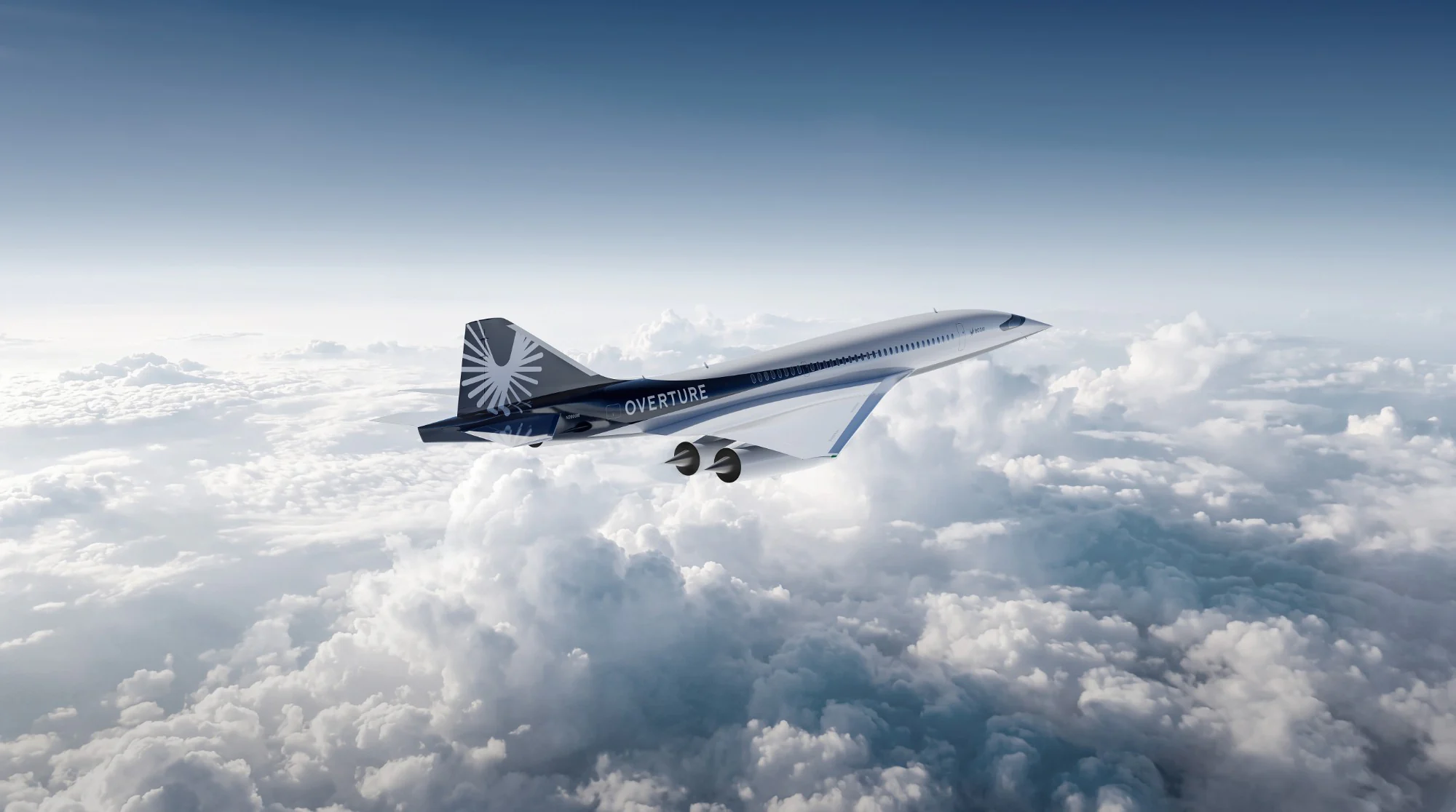
Bring Back Supersonic Flight
For Everyone
Inside Boom
What it's actually like to build jets, engines, and gigawatts
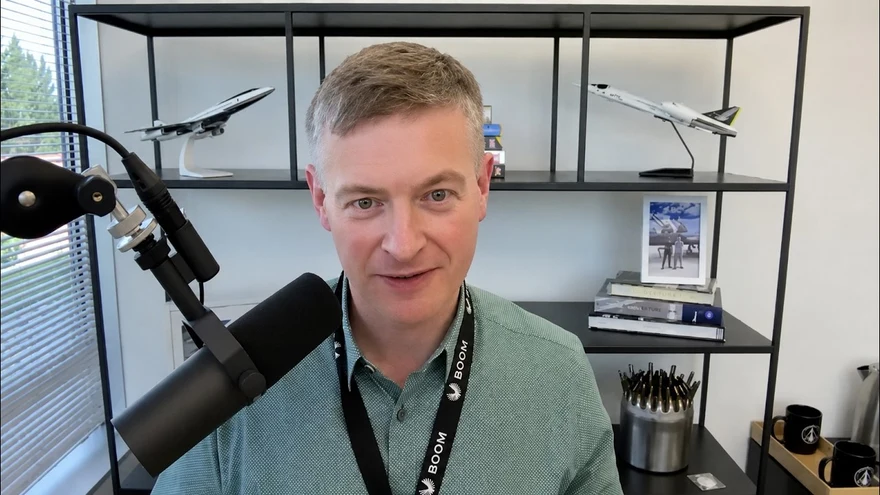
No bureaucracy. Full ownership. Hear it straight from the people building Overture, Symphony, and Superpower.

A Few Minutes Inside Boom
What it's really like
Short clips on ownership, first-principles engineering, and who thrives here.
Use the left and right arrow keys to browse the videos.
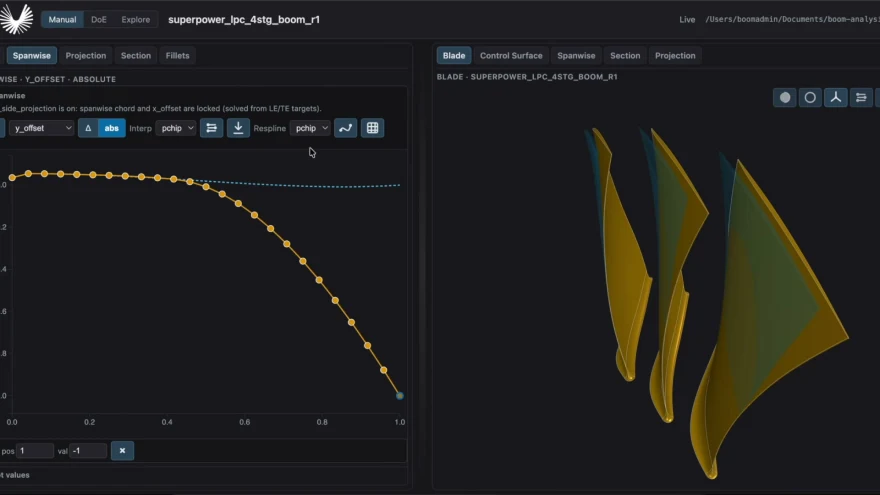
Inside the Factory
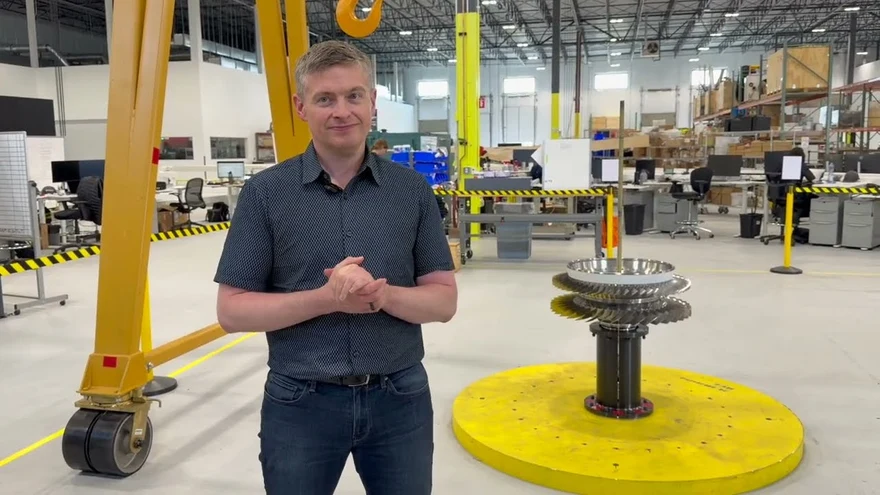
See the work up close
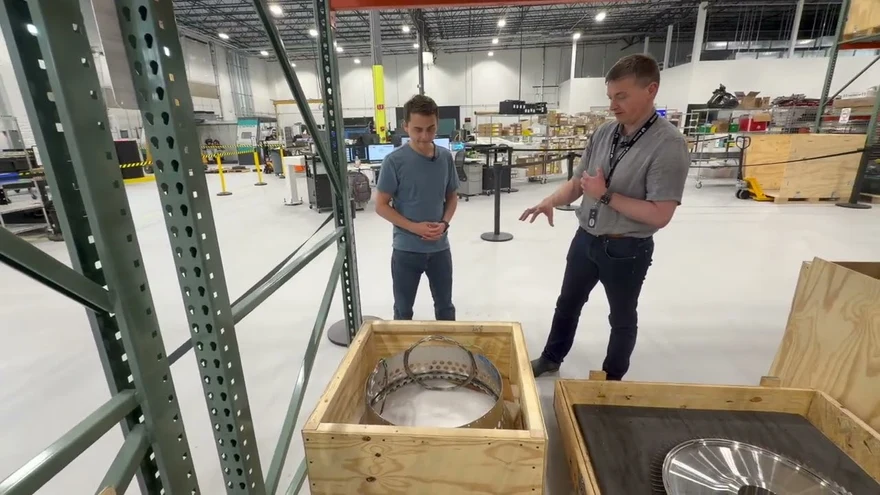
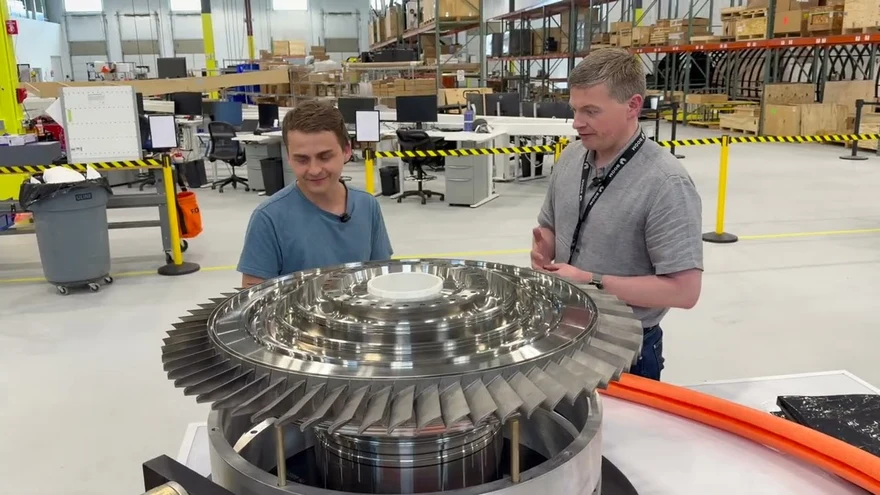
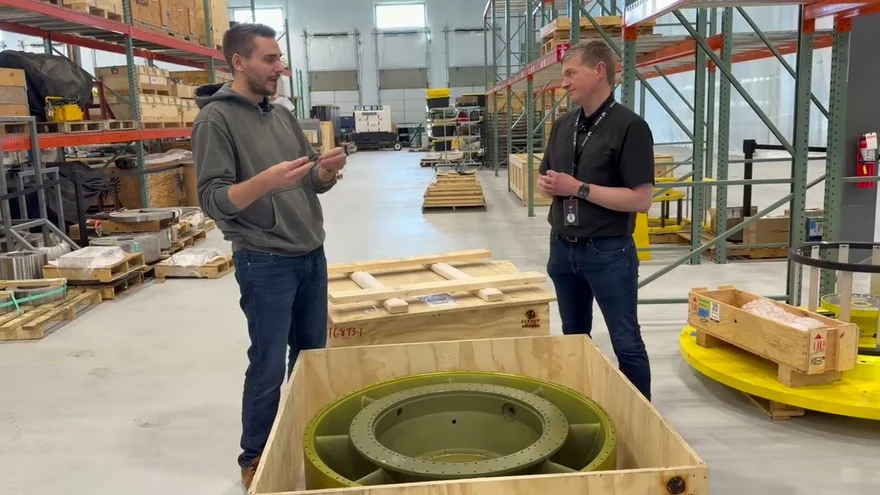
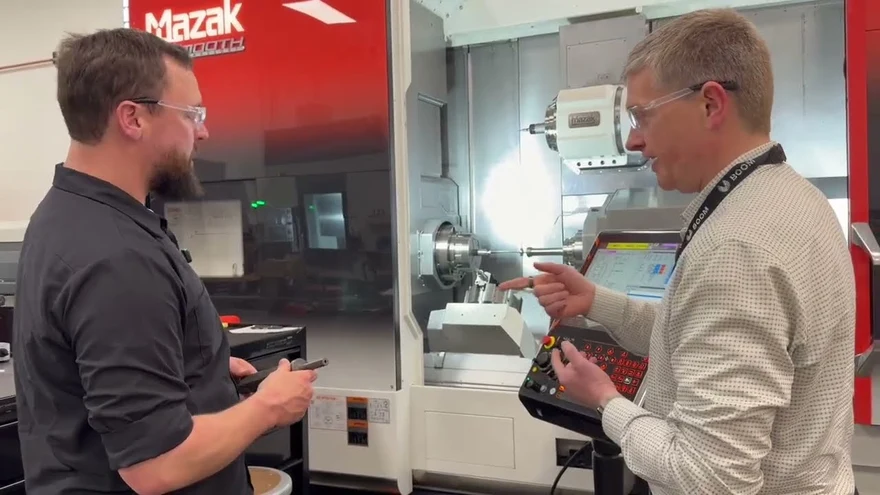
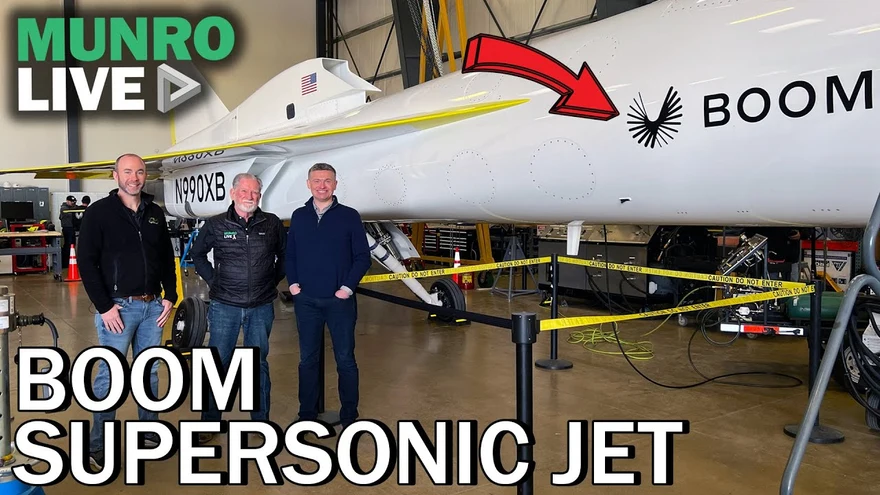
An independent visit with Scott Manley, plus our own Build Supersonic series.
Use the left and right arrow keys to browse the videos.
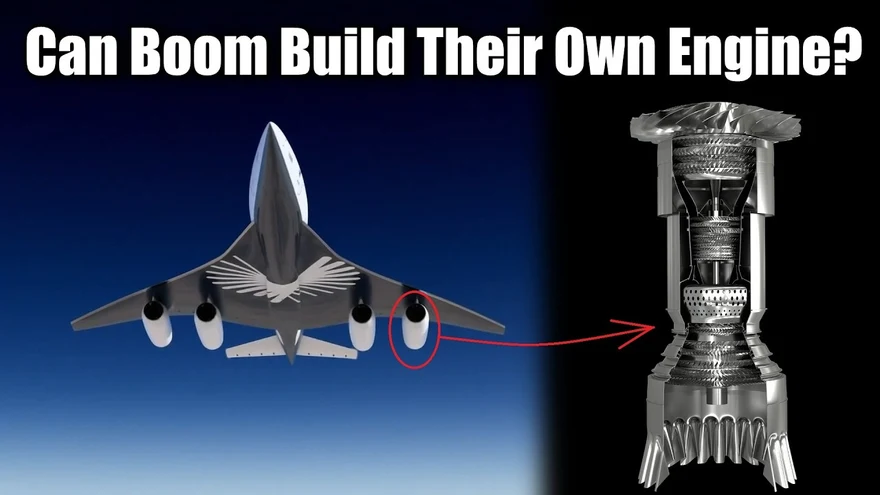
How We Think
Taking a Startup Job is Super Risky — But Not Like You've Been Told
Blake Scholl · Sep 2025
Everything You've Been Told About Burnout Is Wrong
Blake Scholl, Substack · Aug 2025
Vertical Integration: Move Fast and Don't Break (Safety Critical) Things, Part 2
Blake Scholl, Substack · Sep 2025
Building a Safety Culture: Move and Don't Break (Safety Critical) Things, Part 3
Blake Scholl, Substack · 2025
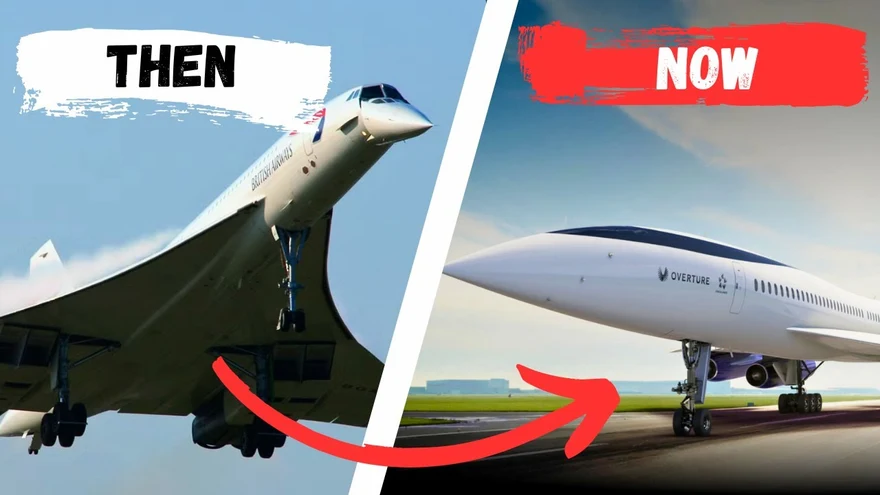
Were Concorde and Apollo Good for the Future of Aerospace?
Blake Scholl, Big Think · Nov 2025
Your Aftermarket Profits Are My Disruptor's Opportunity
Blake Scholl, Substack · Sep 2025

Full Conversations
Go deeper
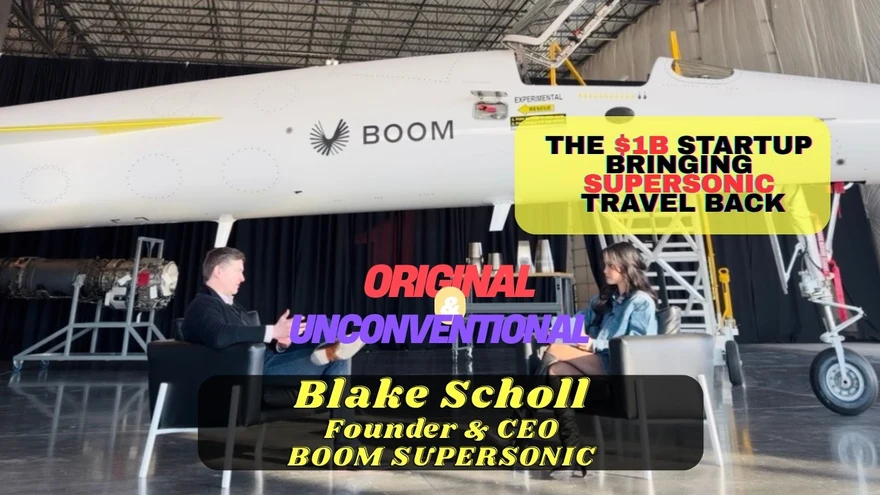
Interviews and company updates, in full.
Use the left and right arrow keys to browse the videos.

On Other Platforms
America's Aerospace Rebirth
Possible — Reid Hoffman & Aria Finger · Jul 2026
Supersonic Flight and Fixing Broken Infrastructure
Conversations with Tyler, Ep 261 · Nov 2025
He's Building The Plane Everyone Said Was Impossible
The Way I Heard It with Mike Rowe, Ep 487 · Jun 2026
Why Supersonic Flight Failed & How Boom is Bringing it Back
The Logan Bartlett Show, Ep 140 · Apr 2025
Meet the Man Who's Making Supersonic Flight Possible Again
Grit (Kleiner Perkins), #233 · Mar 2025
I Dropped Out of High School… Now I'm Building the SpaceX of Airplanes
My First Million, Ep 704 · Feb 2026
Breaking the Sound Barrier with Blake Scholl
This Week in Startups, E2186 · Sep 2025
Boom Supersonic CEO on Using Supersonic Engines to Power AI
CNBC Squawk Box · Dec 2025
The Mission
Our mission is to make Earth dramatically more accessible through mainstream supersonic flight. If we succeed, millions—eventually billions—will fly faster than the speed of sound. Imagine crossing the Atlantic (or the US) in just 3.5 hours—what will this do for business, for vacations, for culture, even for love.
Concorde retired in 2003 without ever becoming mainstream. The big OEMs have all but quit making new airplanes. Designs and speeds haven't changed since the 1960s.
We need a new kind of company and a new kind of team to re-accelerate progress. Boom is America's most vertically-integrated aviation and energy company—and we're here to do the important things that the big guys can't or won't do.
We already made history with XB-1, the first privately developed supersonic jet. Next, we're turning our supersonic engine technology into Superpower. Then, it's time for Overture—the supersonic airliner that will carry our friends, family, and loved ones.
Our roadmap
Each phase sets up the next. XB-1 proved a small team could build a supersonic jet and break the sound barrier. The engine core we’re designing starts its life on the ground as Superpower, generating power for AI data centers. This then opens the path for us to create our own engine for Overture. Overture then opens the way to a family of supersonic aircraft.
1
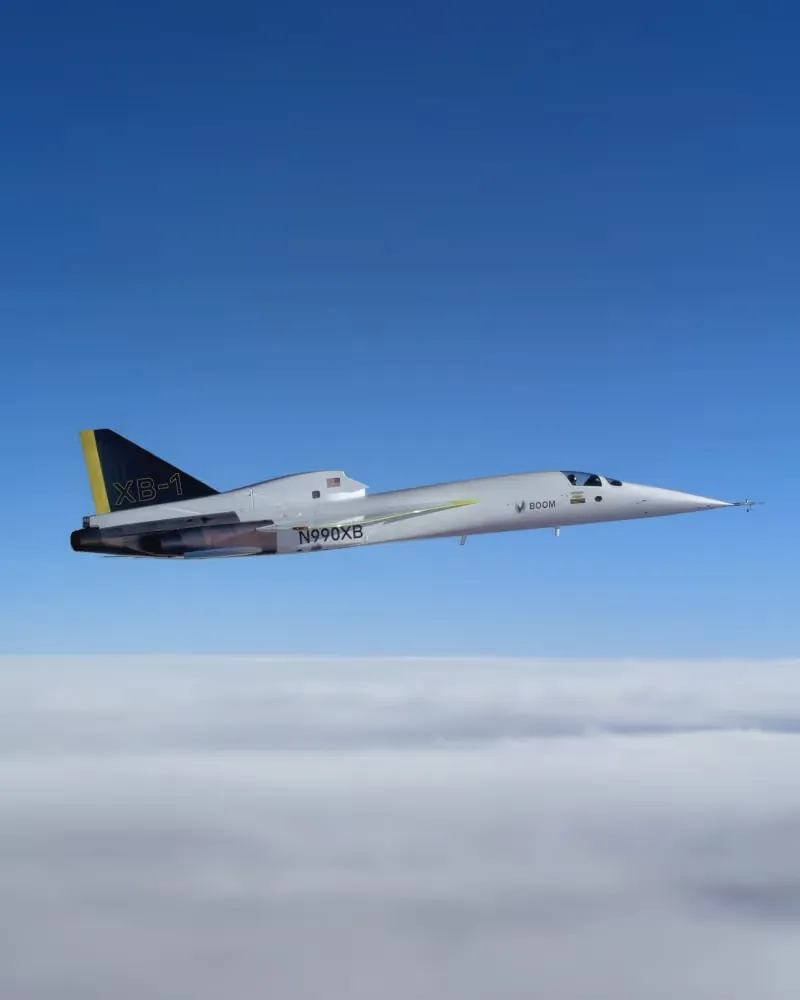
XB-1 Break the Sound Barrier.
A small, committed team of 50 with a tiny budget broke the sound barrier and demonstrated that supersonic flight can be boomless. XB-1 led directly to the legalization of supersonic flight in America.
Discover XB-12
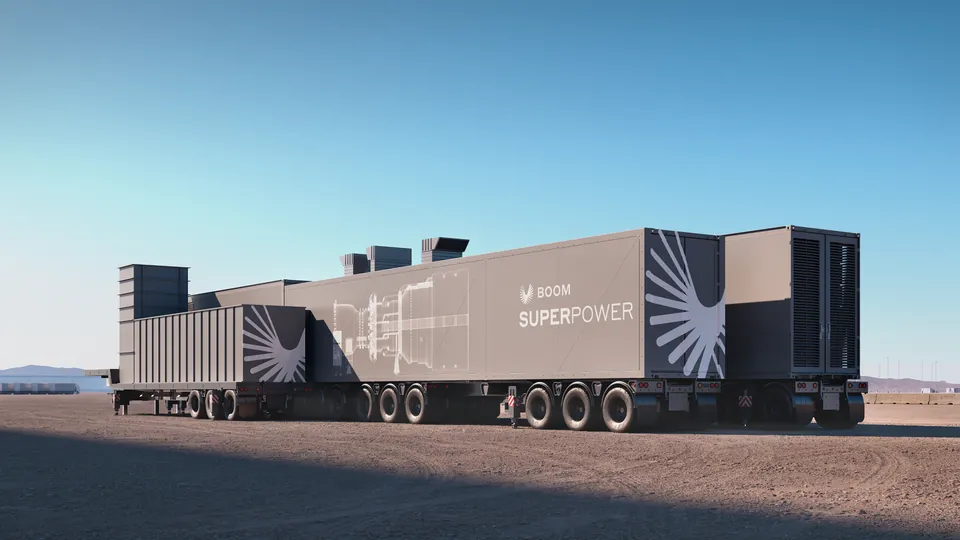
Superpower Deploy the Engine.
The same turbine engine core we're developing for passenger supersonic flight can be deployed as a 42MW natural gas turbine, enabling waterless power generation for AI data centers.
Discover Superpower3
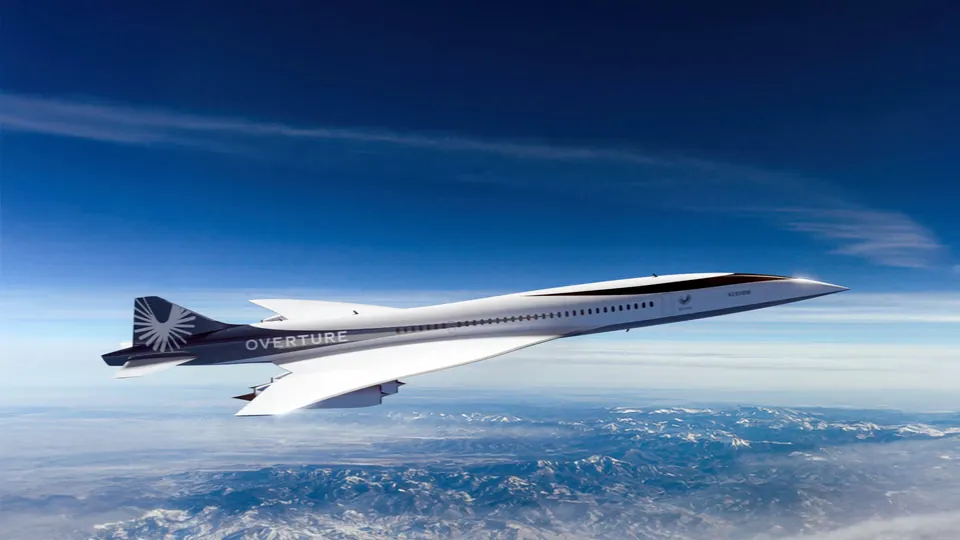
Overture Deploy the Airplane.
Twice as fast as today's airliners, 50% faster when boomless. More comfortable, safer, and dramatically more affordable than Concorde. Pre-ordered by United, American, and Japan Airlines.
Discover Overture4
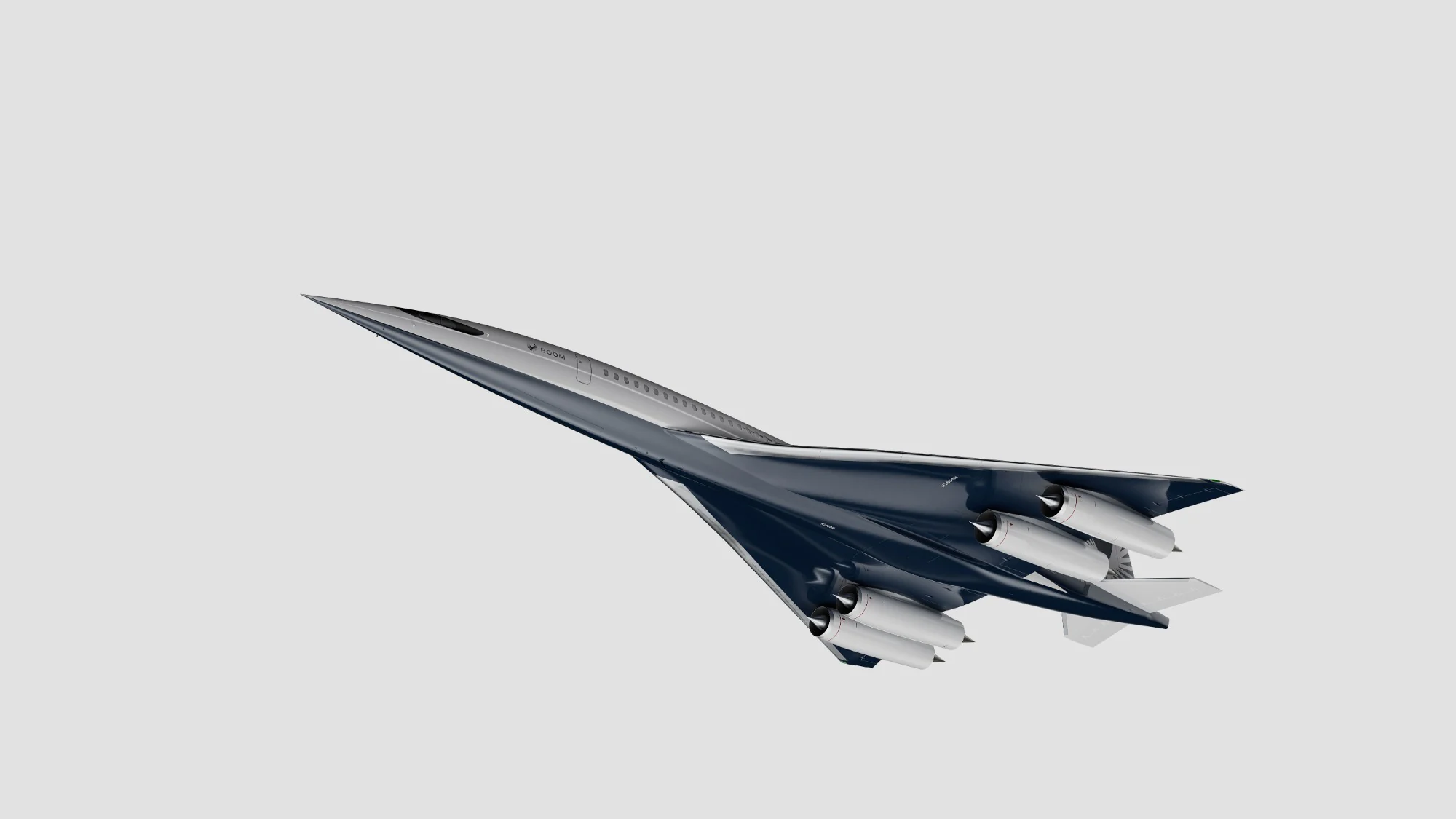
Make Supersonic Flight Mainstream.
We'll ultimately produce an entire family of supersonic craft of various sizes and ranges, with the goal of making safe, comfortable, affordable supersonic flight available to all passengers.
Management Team
 View profile: Blake Scholl
Blake Scholl
Founder & CEO
 View profile: Aaron Taffet
Aaron Taffet
Head of Finance
 View profile: Eric Dowty
Eric Dowty
Director of Software Engineering
 View profile: Erin Young
Erin Young
Head of Engineering
 View profile: Jackie Alsop
Jackie Alsop
Head of People
 View profile: John Bonanni
John Bonanni
Head of Executive Projects
 View profile: Nate Hepler
Nate Hepler
Head of Manufacturing
 View profile: Nick Sheryka
Nick Sheryka
Chief Engineer
Board Members
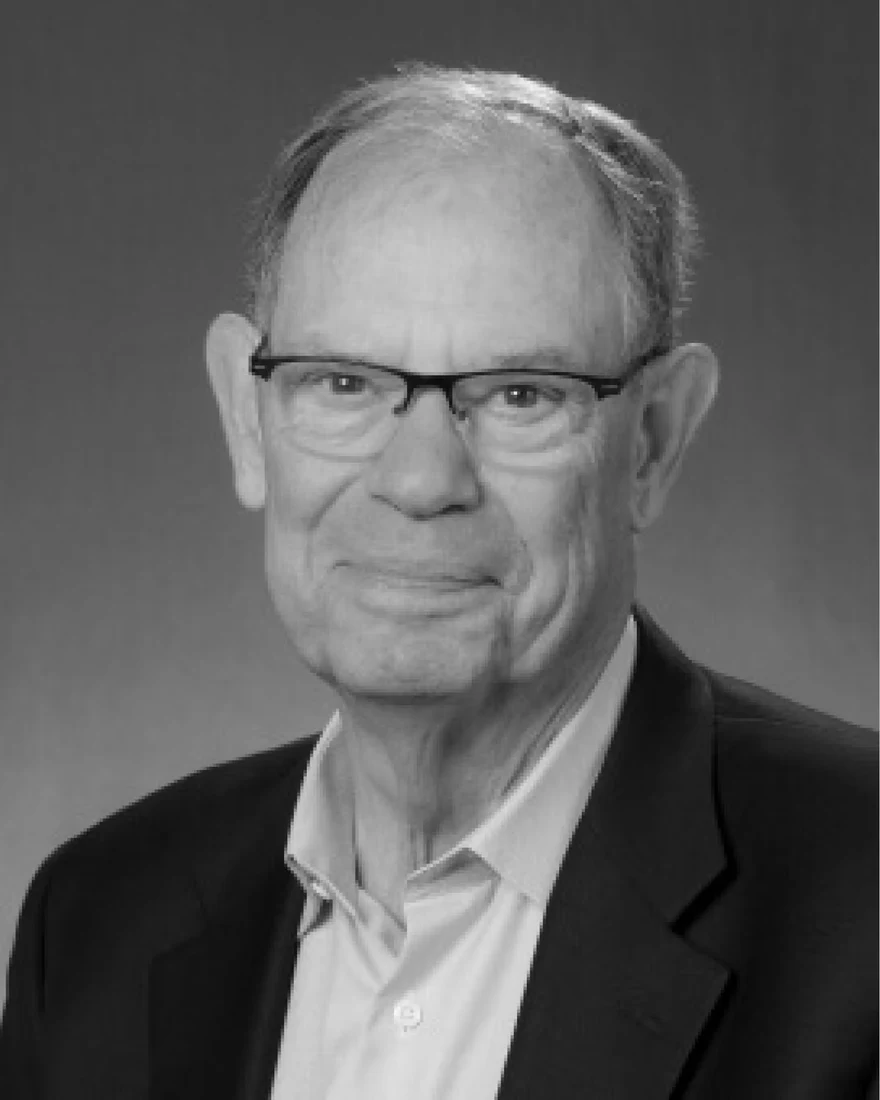 View profile: Phil Condit
Phil Condit
Former Chairman and CEO, The Boeing Company
 View profile: Steve Friedman
Steve Friedman
Partner, Darsana Capital Partners
 View profile: Jeff Holden
Jeff Holden
Founder of Atomic Machines
Frequently Asked Questions
Flying supersonic
Why supersonic flight?
We believe that life is better lived in person. Our mission at Boom is to make the world dramatically more accessible. Sustainable supersonic travel enables three-day business trips to become one-day hops, long distance relationships to thrive, and humanitarian missions to save more lives.
The shift from the age of propeller planes to the Jet Age proved that faster travel not only saves time, but also has second and third order benefits. Getting to your destination faster is not just a matter of time savings, it can be the difference between going and not going. Before the Jet Age, few went to Hawaii—and it was the speed of the jet that transformed Hawaii into the thriving destination it is today. The Jet Age enabled The Beatles’ World Tour and doing business across the globe for brands like Nike. Flights onboard Overture will cut travel times in half, ushering in the next era of faster travel.
Is Boom an airline? What airlines will be operating Overture?
Boom is partnering with the world’s leading airlines, including United Airlines, American Airlines, and Japan Airlines. Boom’s commercial order book for Overture currently stands at 130 aircraft, which represents the first five years of production at the Overture Superfactory. By comparison, only 14 Concordes ever entered service. In August 2022, American Airlines placed a deposit on up to 20 aircraft, with an option for 40 more. In June 2021, United Airlines ordered 15 Overture aircraft, with an option for 35 more. Japan Airlines made a pre-order for 20 aircraft in 2017.
What will the onboard experience be like?
We’re investing a great deal in improving the passenger experience, developing a cabin that is comfortable, tranquil and productive for travelers. Overture will fly above other commercial aircraft at an altitude of up to 60,000 feet—high enough to see the curvature of the earth below. Flying at supersonic speeds tends to be smoother than subsonic flight because at 60,000 feet, you’re flying above most turbulence.
How much will tickets cost?
Ultimately, fares are up to our airline partners. We’ve designed Overture to be profitable for airlines at fares similar to first and business class across hundreds of transoceanic routes.
Aircraft
What is the difference between Overture and XB-1?
Overture is the supersonic airliner that will carry 60-80 passengers. Overture will fly at twice the speed of today’s airliners and is designed to run on up to 100% sustainable aviation fuel (SAF). We are designing Overture to industry-leading standards of speed, safety, and sustainability.
XB-1 is our supersonic demonstrator aircraft, which made history by breaking the sound barrier for the first time in January 2025. XB-1 is the world’s first independently developed supersonic jet, and the first civil supersonic jet made in America. With XB-1, Boom has demonstrated that we have the team and the technology for a supersonic airliner, including:
• Augmented reality vision system • Digitally-optimized aerodynamics • Carbon fiber composites • Supersonic intakes
Now, we are taking all the learnings from the XB-1 program and scaling them up to deliver supersonic travel with Overture, cutting travel times in half for millions of passengers around the world.
Will Overture use afterburners like Concorde?
No. The afterburners on Concorde caused loud noise levels at takeoff. Overture will not have afterburners. Overture will be powered by the Symphony propulsion system, and have a landing and takeoff noise output similar to today’s subsonic aircraft. Symphony is a medium bypass ratio turbofan engine, which will be much quieter than Concorde’s turbojet engines with afterburners.
What kind of certification will Overture receive?
As a passenger aircraft, Overture will go through the same FAA certification process as all other commercial airplanes flying today. This program includes putting the aircraft through lightning strikes, heavy crosswinds, extreme hot and cold temperatures, and simulated emergencies.
Will your aircraft be offered as a private jet?
Our primary mission is to build a commercial passenger aircraft that is profitable for our airline customers to operate. We’re targeting a large unmet market need in transoceanic commercial air travel, which will be accessible to millions of people flying on hundreds of aircraft.
Supersonic economics
Why did it take so long to bring supersonic flight back after Concorde?
Today, there’s both the market demand and the technology to enable mainstream supersonic travel. Technology and materials have advanced enough that we can build faster and more efficient supersonic airplanes while taking care of the planet. Overture and its bespoke propulsion system, Symphony, are designed to be forward compatible with next generation fuels, flying on up to 100% sustainable aviation fuel (SAF). Additionally, business and leisure travel has continued to grow, and travelers are willing to pay for speed.
How will Boom succeed from a business and economic perspective when Concorde failed?
Concorde was a technological marvel when it first flew more than fifty years ago, and it was in service for 27 years. We’re proud to be building on the accomplishments of talented engineers, who inspire us to make supersonic travel mainstream. We are leveraging more than fifty years of advancements in aerodynamics, materials, and propulsion to bring back supersonic travel that is more affordable for passengers and profitable for airlines across hundreds of global routes.
Noise levels
How is Boom dealing with the sonic boom?
Boom’s supersonic demonstrator aircraft, XB-1, broke the sound barrier six times without creating an audible sonic boom heard on the ground. With the success of the XB-1 flight test program, Boom announced Boomless Cruise for the Overture airliner, which allows for supersonic speeds without an audible sonic boom that reaches the ground.
Leveraging well-known Mach cutoff physics, a sonic boom refracts upward due to temperature and wind gradients affecting the local speed of sound. This is similar to how light bends when passing through a glass of water. By flying at a sufficiently high altitude at an appropriate speed for current atmospheric conditions, Overture’s sonic boom never reaches the ground.
When in Boomless Cruise, speeds are 40-50% faster than conventional airliners. This means a flight from New York to Los Angeles can be up to 90 minutes shorter. At top speeds of Mach 1.7, flight times are half as long and sonic booms are only created over water.
What about takeoff noise?
Overture will have a landing and takeoff noise output similar to today’s subsonic long-haul aircraft. One major difference between Concorde and Overture is that Overture will operate without afterburners—the main reason for the noise levels of Concorde’s take offs. Symphony is a medium bypass ratio turbofan engine, which will be much quieter than Concorde’s turbojet engines with afterburners.
We are committed to creating the best possible experience for our airport communities and we will continue to innovate in this area. One example of such innovation is the Variable Noise Reduction System, which automatically manages the aircraft configuration including the implementation of a Programmed Lapse Rate to control thrust and resultant noise at take off. Other advanced features include advanced acoustic liners in the inlet and nacelle.