Symphony Ignition Test: What We Learned
Building Supersonic: A Flame Propelling Symphony Forward
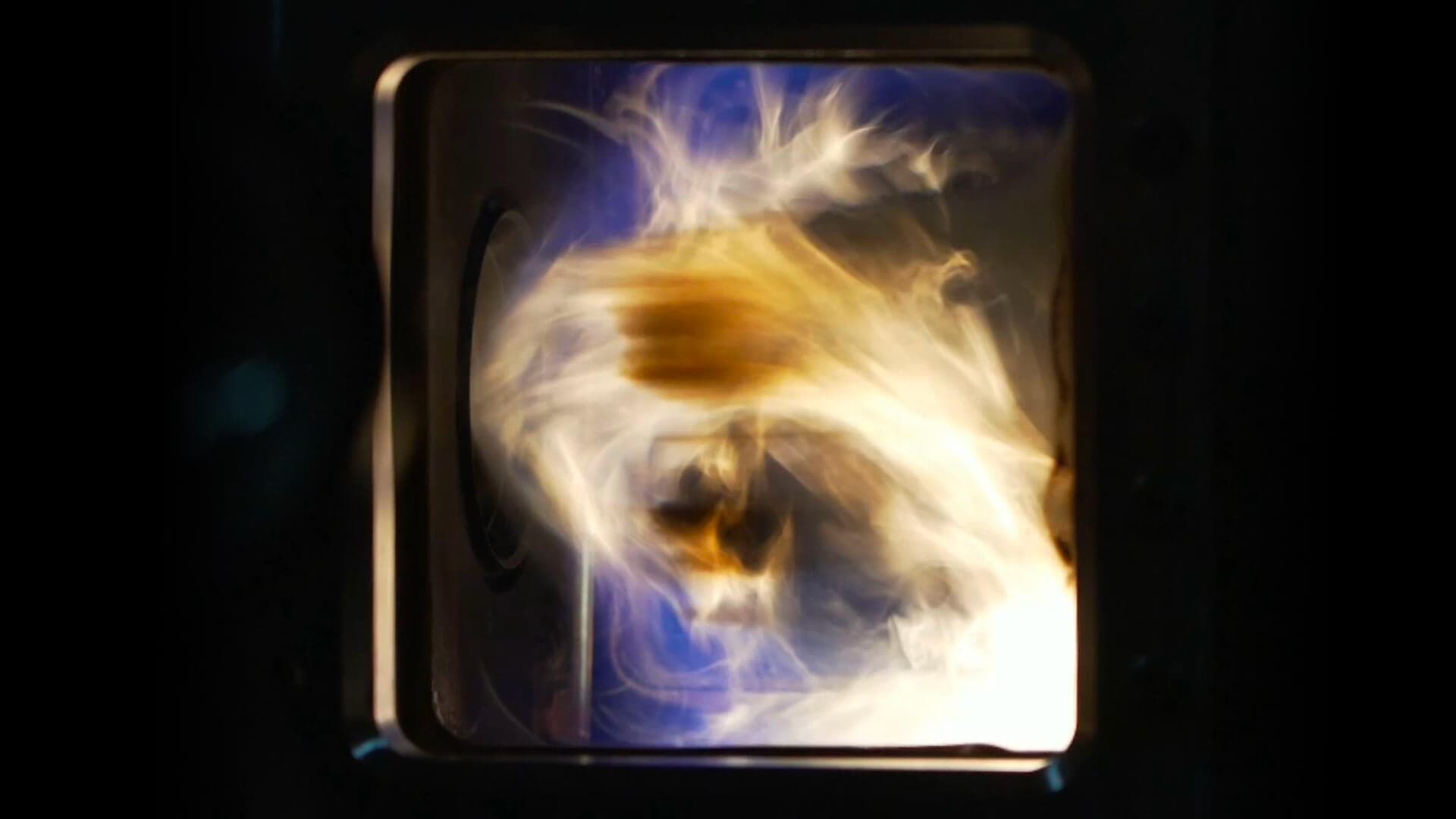
Our propulsion team cleared major hurdles on the path to Symphony’s first fire. Our engineers put a single fuel nozzle through a series of rigorous ignition tests inside a high-temperature, high-pressure chamber. They captured data (and cool video) that brings us closer to lighting the engine built for sustained supersonic flight.
Here’s what the tests confirmed:
- Symphony’s ignitor can reliably light under challenging conditions
- Key elements of the combustor are performing as expected
- Ignition-related risks are reduced going into the next testing phase
The results help validate critical pieces of Symphony’s combustor design, de-risk one of the biggest engineering challenges ahead, and set up our next wave of hot-section testing. Data gathered from these tests is now feeding directly into future combustor design decisions. It’s a decisive step that confirms we’re on track for the milestones that lead to sprint core.
Building Symphony, One Part at a Time
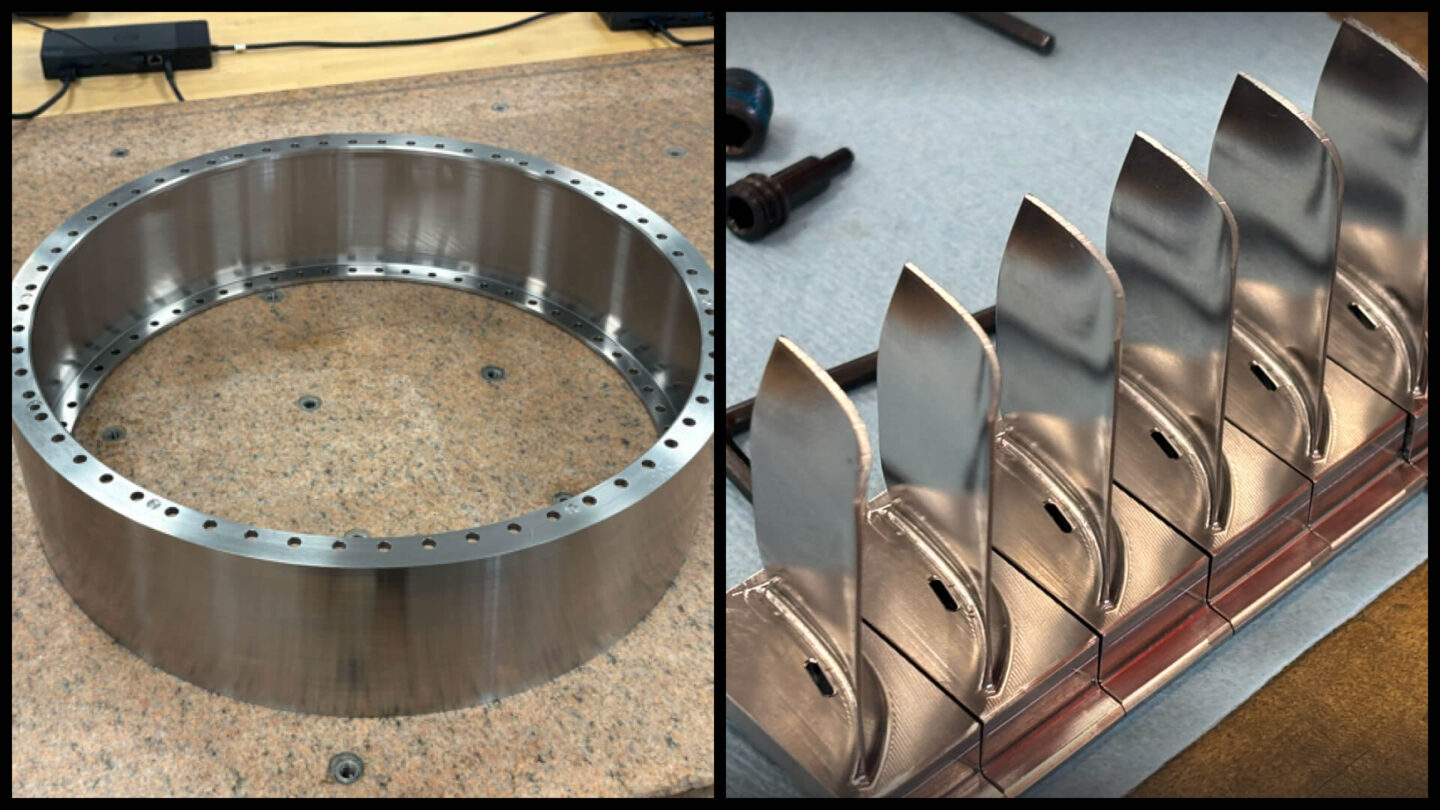
Momentum is ramping up inside Boom’s R&D Supercenter. This month, the team completed machining our first mill-turn part—a ring-shaped support structure for Symphony’s combustor (the hottest part of the engine). We also produced our first dual-spindle parts: precision-machined stator vanes that help guide and slow airflow inside the compressor, so the engine can efficiently build pressure. These are two important steps that expand what we can build in-house, and it’s just the beginning. We also took delivery of a 5-axis machine that gives us the ability to machine blisks (bladed compressor disks). Blisks are single-piece bladed rotors that compress air and drive it to the high pressures needed for thrust during supersonic flight.
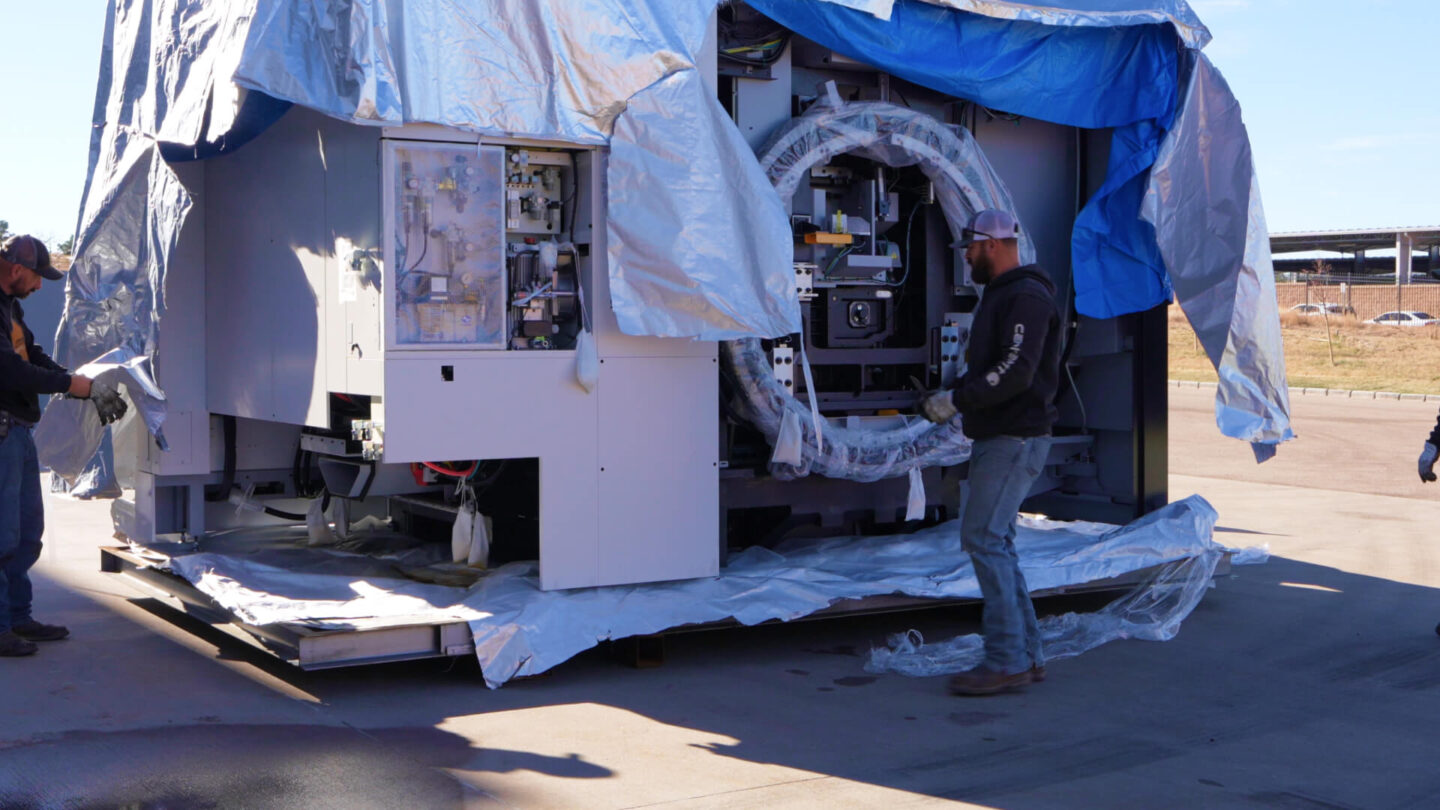
On the topic of machining, we’re rapidly expanding our operations and hiring CNC machinists and more. If you want to be part of the movement that builds—and brings back—supersonic, now’s your chance.
Seeing the Invisible: How We Captured the Shockwaves
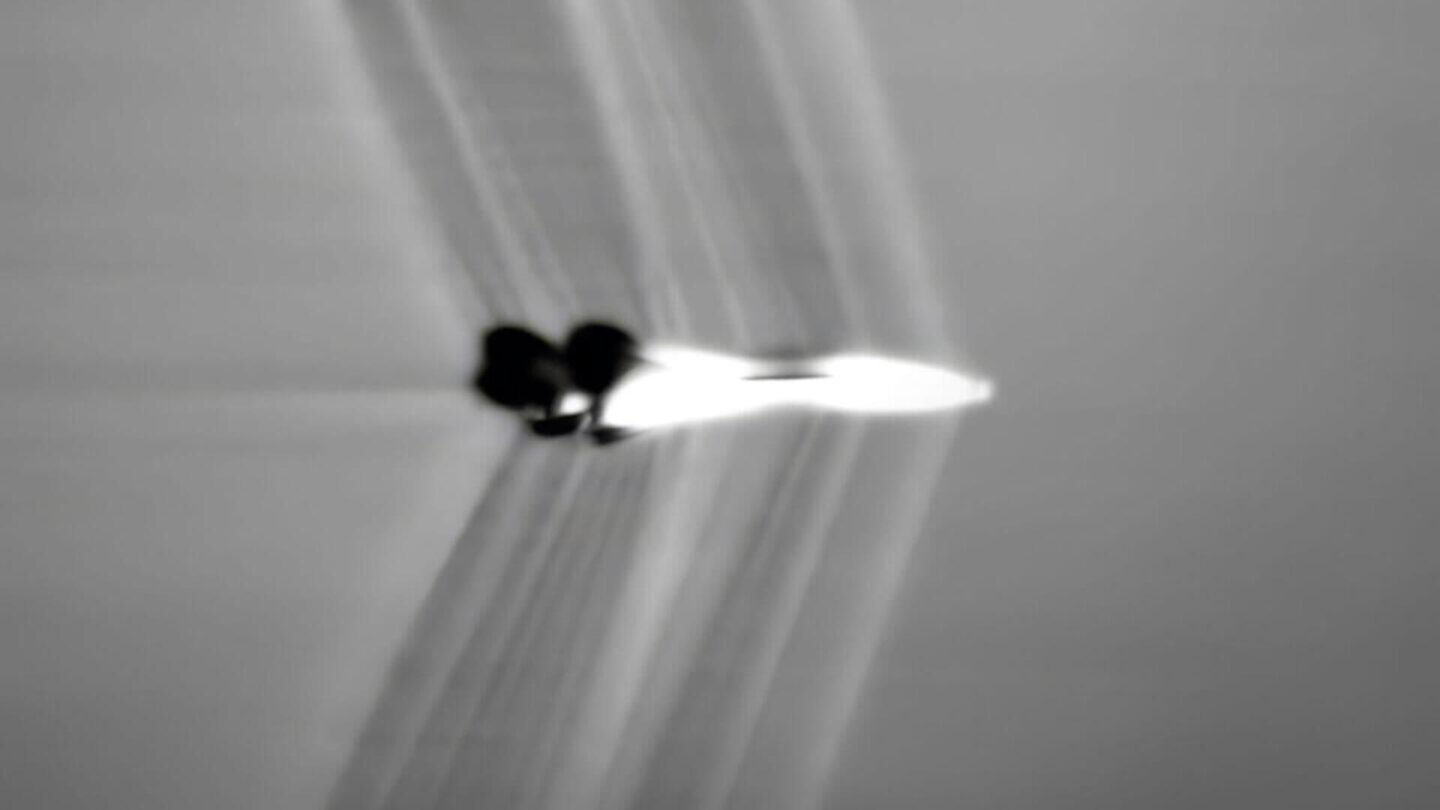
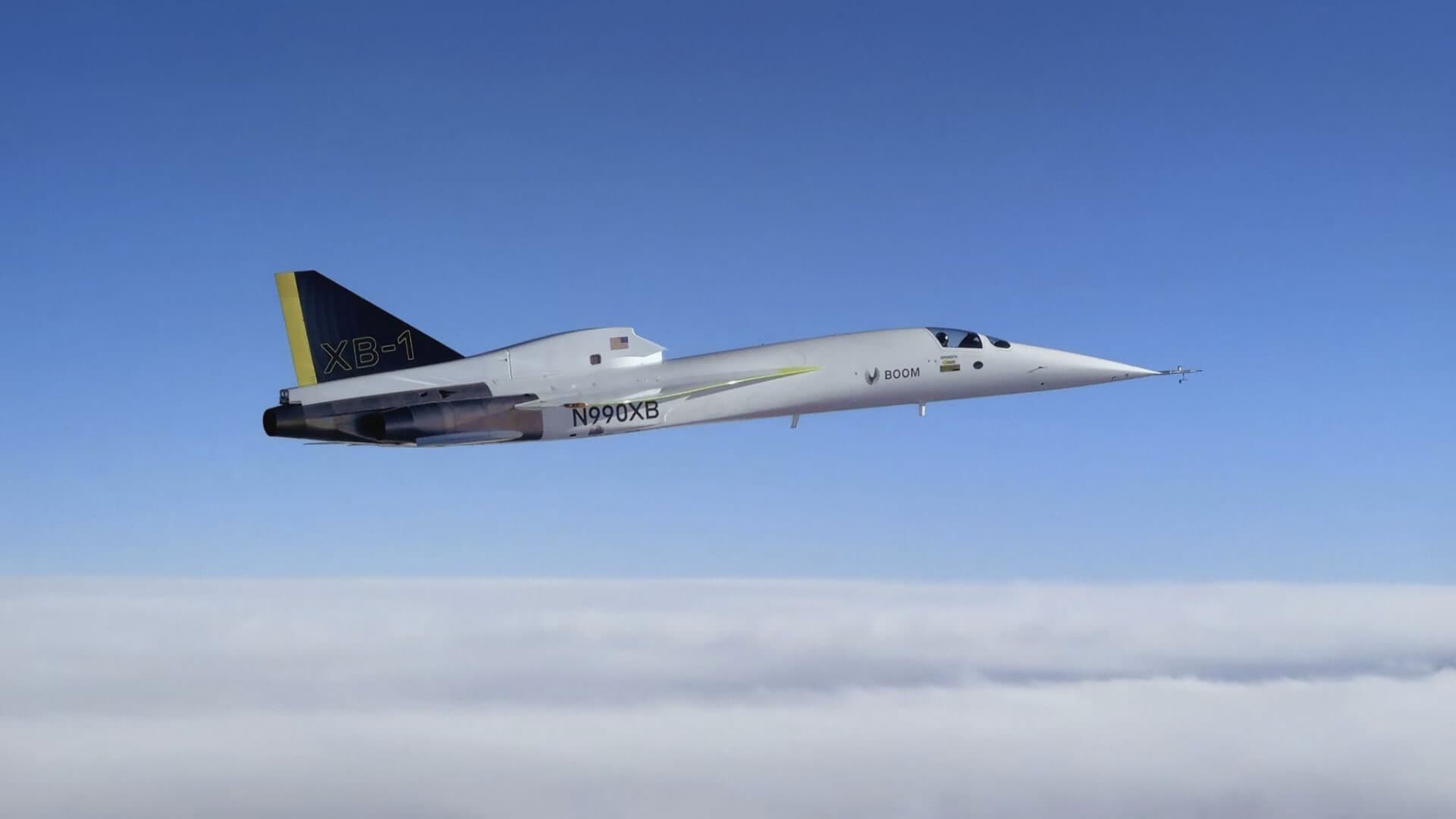
What if you could see the ripples of supersonic flight? That’s exactly what we did earlier this year. In collaboration with NASA Armstrong Flight Research Center, we captured a live-flight schlieren image of XB‑1 at Mach 1.06, showing its shockwaves in unprecedented clarity.
Pulling this off required both precision engineering and a desire to push the limits of what’s possible. The shot depended on a 0.4 second window where the sun, camera, and aircraft aligned. Our small team rapidly developed a solution: team members repurposed XB-1’s avionics display to give the pilot real-time cues on timing and position. And they did it in just a matter of weeks—testing, refining, and iterating at speed while demonstrating how Boom’s culture enables breakthrough results that solve challenges you won’t find in the textbooks.
Boom Shop: Your New Favorite Hat Lives Here
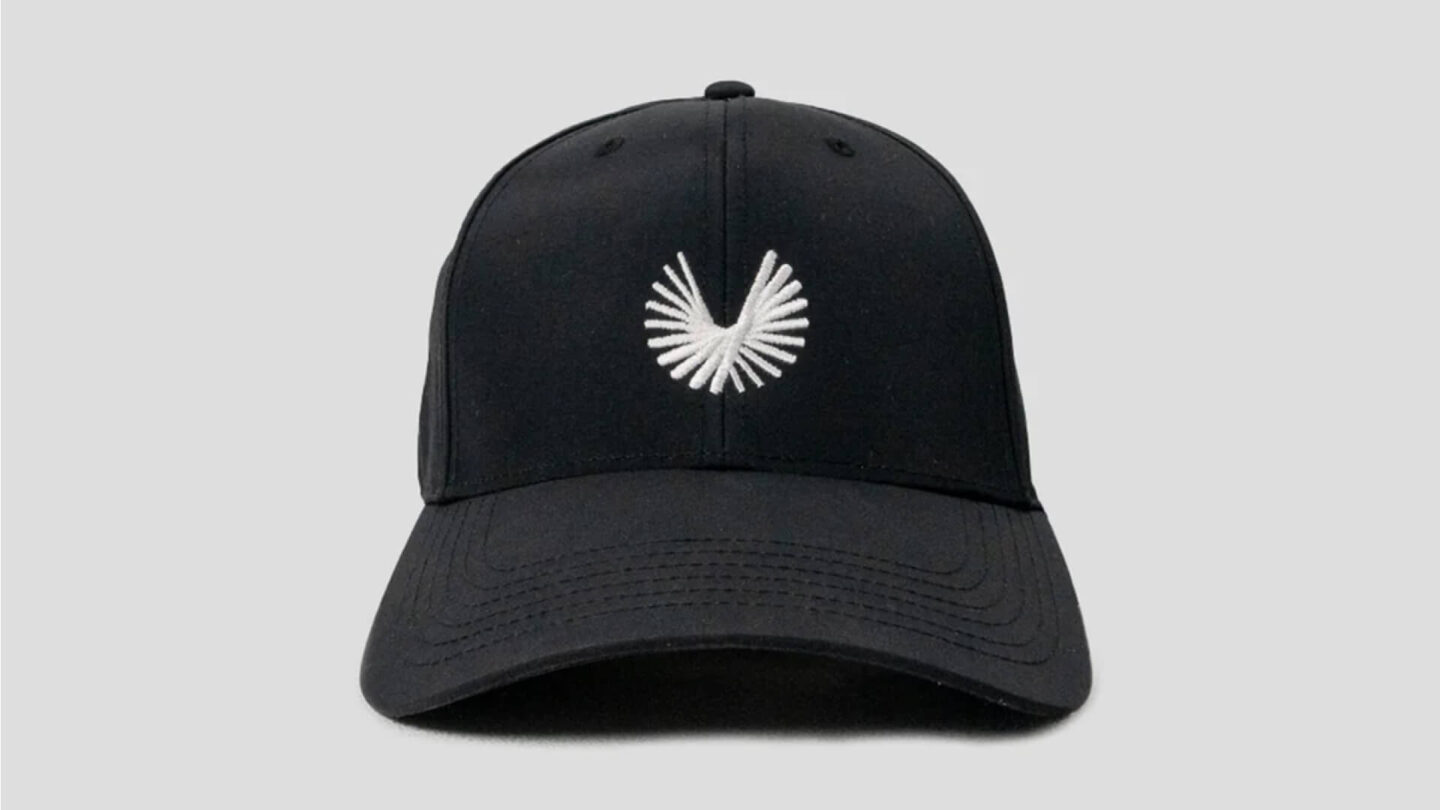
New pieces are now available in the Boom Shop, including this Icon hat, perfect for wind-tunnel testing or runs to the grocery store. Much like Overture—it’s refined, purpose-built and will turn heads without trying. Pick up your favorites while they are in stock.
XB-1 Lands in Microsoft Flight Simulator
Don’t forget XB-1 arrives in Microsoft Flight Simulator on December 8. Soon you’ll be able to take off from Mojave, hit Mach speeds, and experience supersonic flight from home.
Featured News
Wall Street Journal: The NFL’s Secret Obsession With Supersonic Flight

Fox Business News: Boom Supersonic CEO eyes ambitious goal to carry passengers by end of decade

CEO Blake Scholl at UP.Summit